Introductory Opening
In times of crisis, loss is not measured only by destroyed homes, but by what is damaged within the heart of a community. In southern Lebanon—particularly in the Tyre district—places of worship were not spared the consequences of conflict. Mosques fell silent, and communities were left without the spiritual spaces that once united them. Restoring these mosques became more than reconstruction; it became an act of hope and social healing.
Mosques in the Line of Conflict
When mosque doors are forced to close, communities lose a vital source of peace and stability.
During periods of escalation in Lebanon, several mosques in the south suffered partial destruction and structural damage, rendering them unfit for worship. Beyond physical loss, this deprivation deeply affected daily life, as people were cut off from spaces of prayer, gathering, and emotional support.
How Alkhair Began the Restoration Projects
From urgent need, initiatives are born—and from responsibility, action begins.
Driven by its commitment to supporting affected communities, Alkhair Foundation launched ongoing mosque restoration projects in the Tyre district. The work included rehabilitating damaged structures, repairing essential facilities, and preparing mosques to once again welcome worshippers in safe and dignified conditions. These efforts were not temporary fixes, but part of a long-term vision to revive spiritual life.
A Deed of Great Reward
A humble act on earth, immense in its reward.
Restoring mosques carries great spiritual merit in Islam. It is not merely about repairing buildings, but about reviving worship and serving the Houses of Allah. As the Prophet Muhammad ﷺ said:
“Whoever builds a mosque for Allah, Allah will build for him a house in Paradise.”
This promise continues to inspire donors and supporters to take part in this blessed work.
Restoration as a Path to Solidarity
When people unite to rebuild a mosque, they rebuild their bonds first.
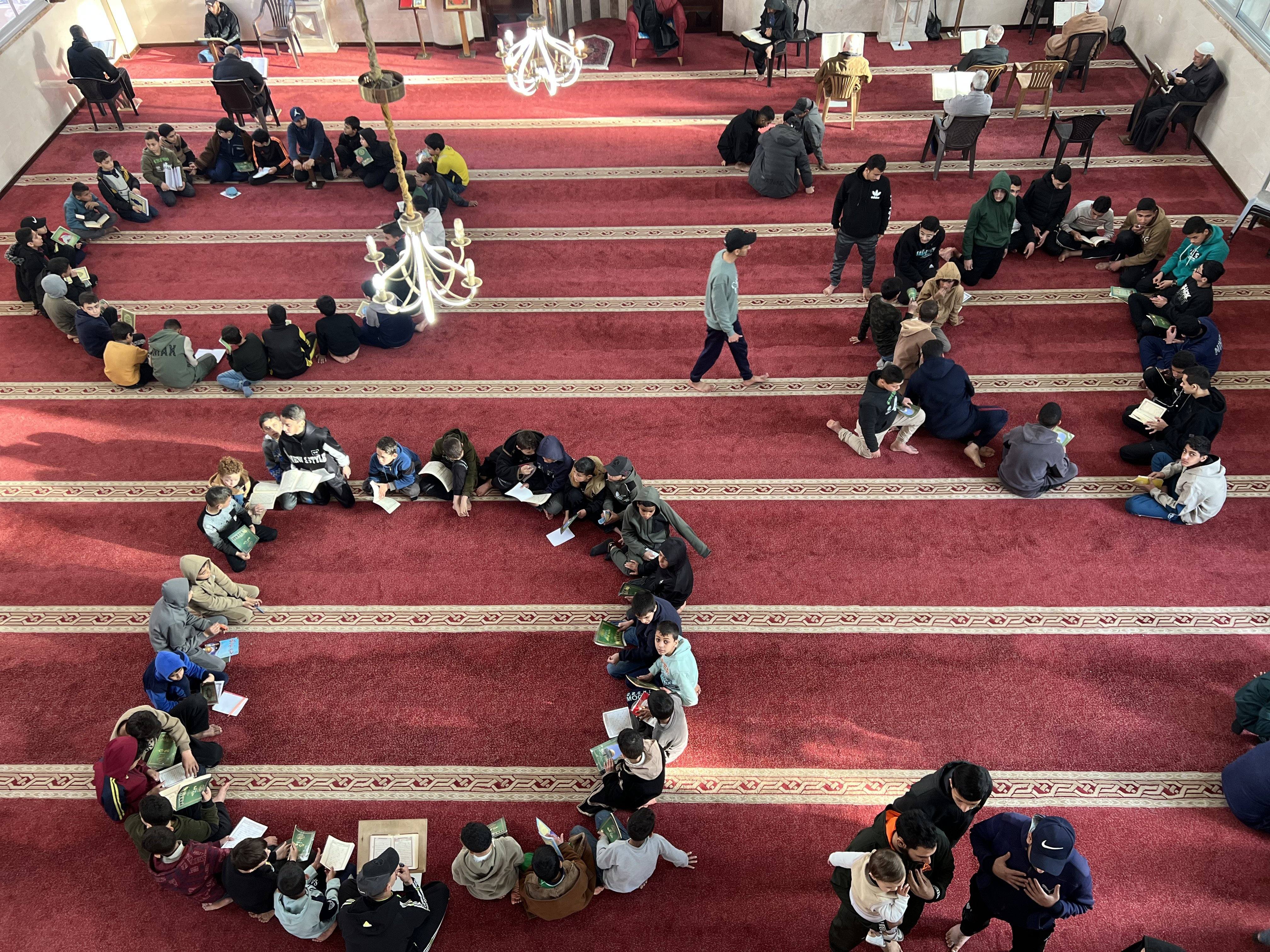
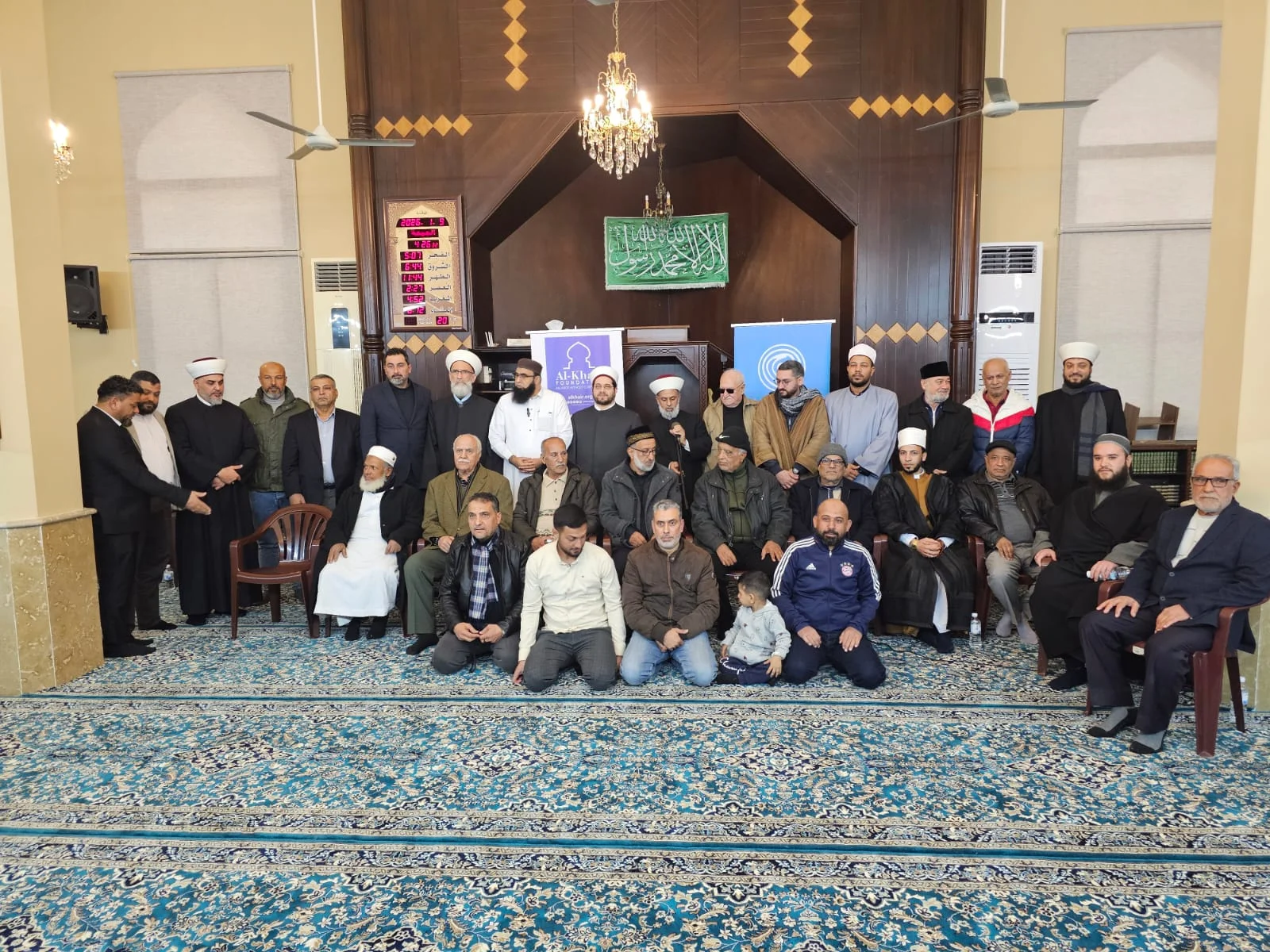
These restoration projects strengthened cooperation within the local community. Residents felt they were partners in rebuilding their mosques, not just beneficiaries. Once reopened, mosques resumed their role as centers for prayer, learning, and social solidarity—reviving a sense of unity and mutual care.
Conclusion: As Ramadan Approaches, Hearts Return to the Mosques
With the arrival of Ramadan, hearts turn toward worship and souls long for prayer in the Houses of Allah. Restoring mosques during this blessed season carries deeper meaning—preparing spaces for devotion and rekindling hope after hardship. Through these initiatives, Alkhair Foundation reaffirms that rebuilding mosques is both a humanitarian and spiritual mission—one that restores dignity, strengthens communities, and opens doors to lasting Alkhair.